Hire an OnlyFans Chatter: Compare Human, Agency, and AI-Assisted Workflows
If you are about to hire an OnlyFans chatter, the important decision is bigger than finding somebody who can write convincing messages. You are choosing an operating model for fan conversations: who gets account and content access, who reviews quality, who owns exceptions, how coverage works, and what the full workflow costs after management and tooling are included. Compare a direct hire, an agency, AI-assisted chat, and a hybrid setup with the same workload before you commit.
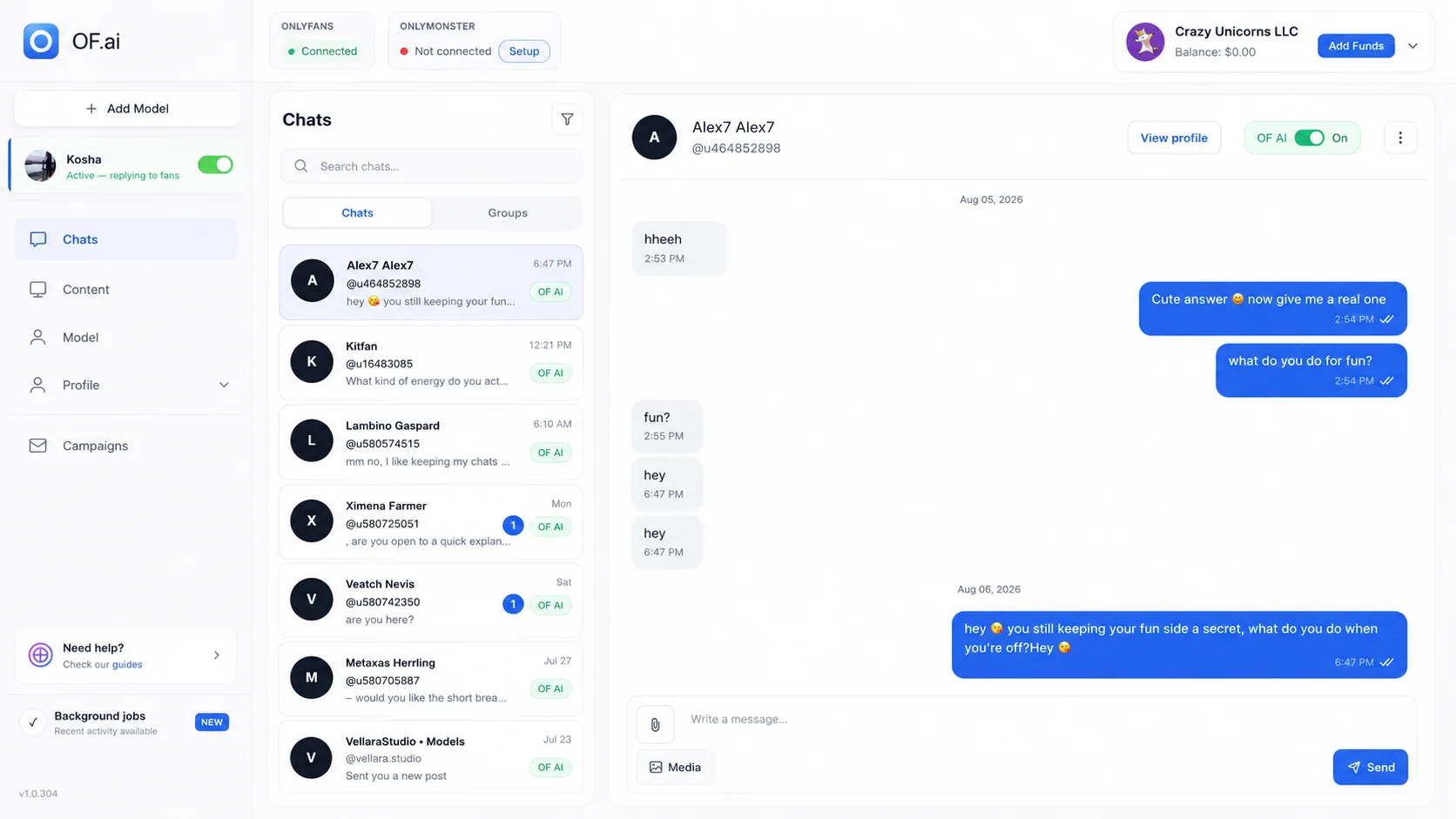
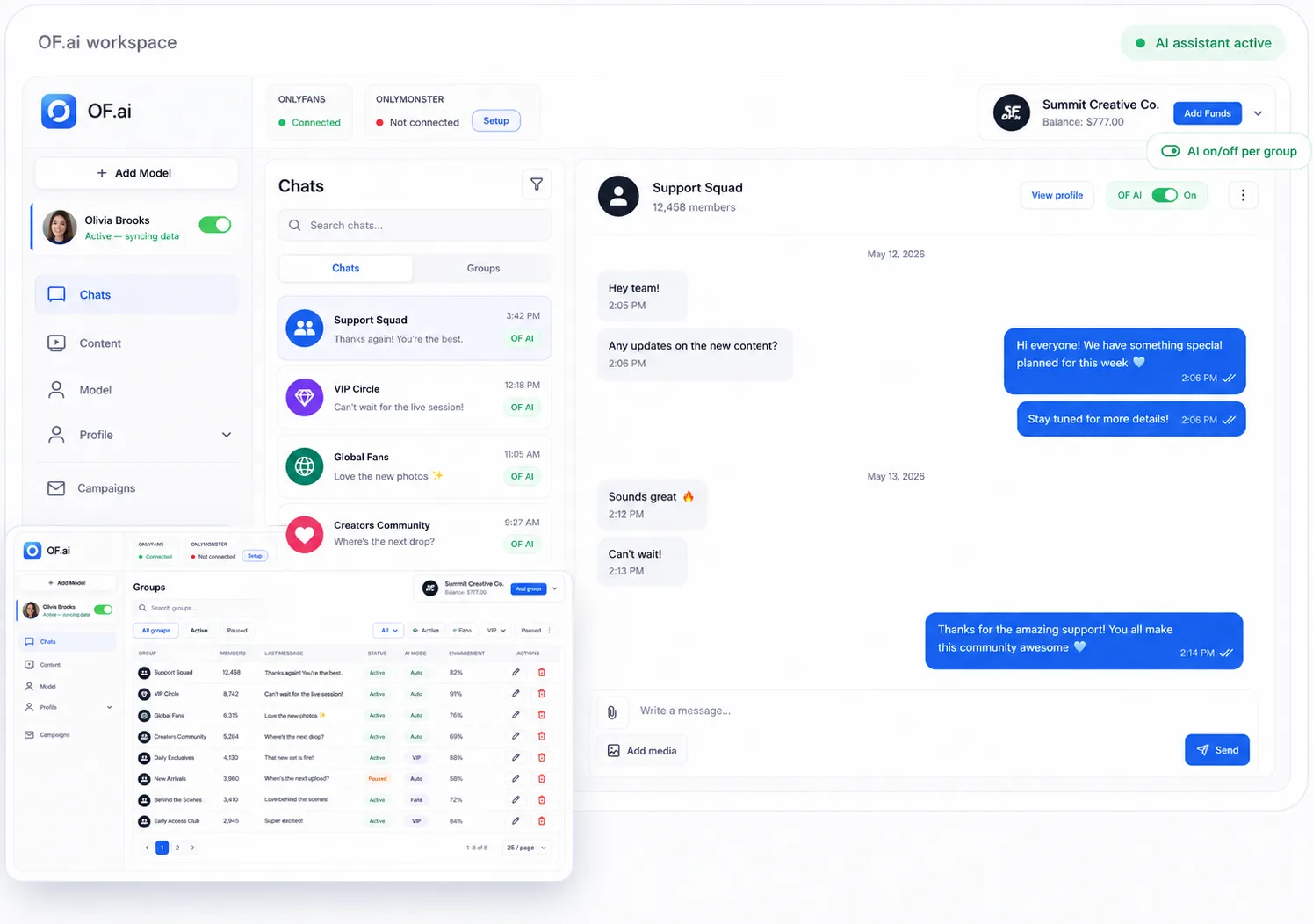
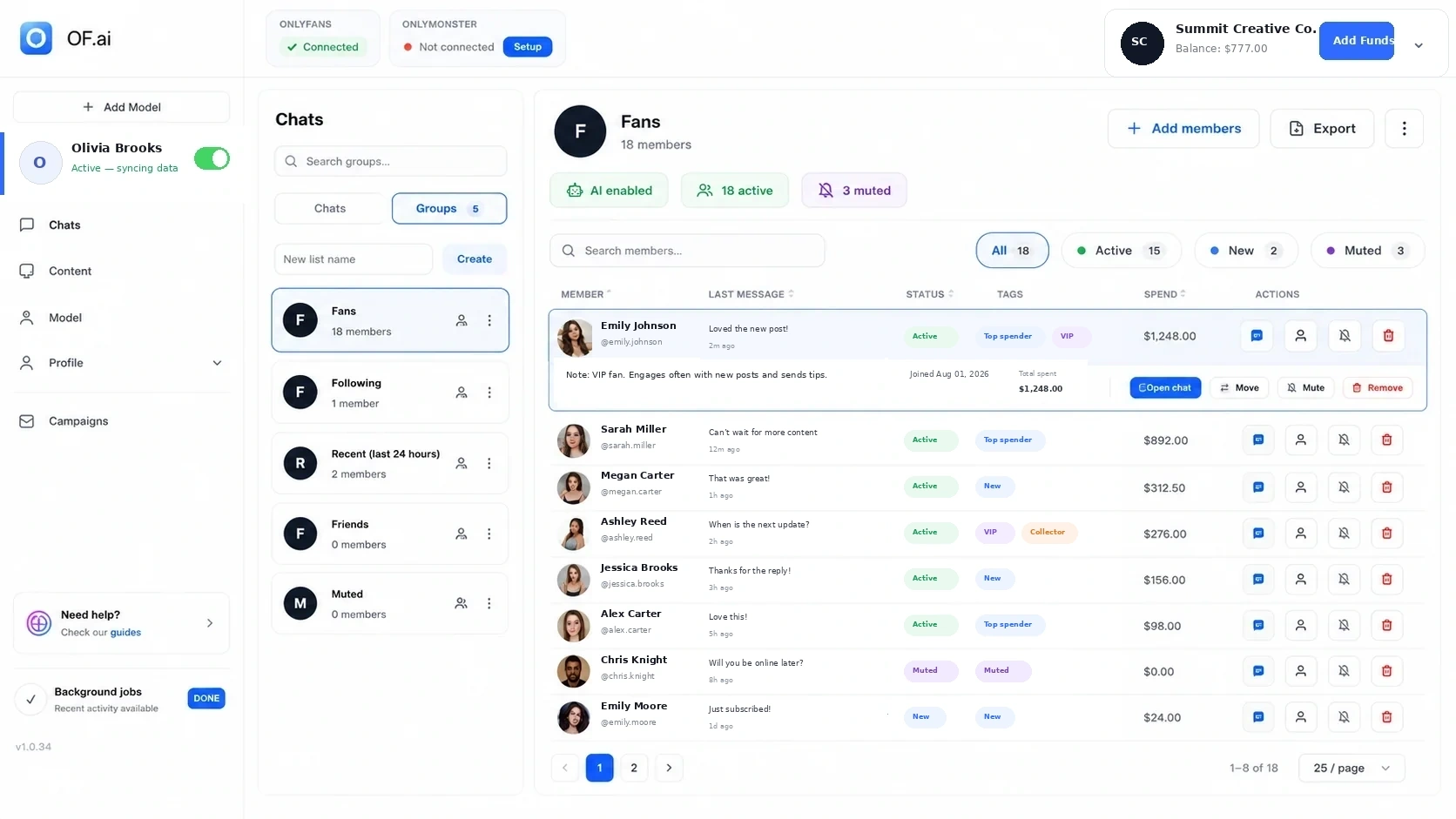
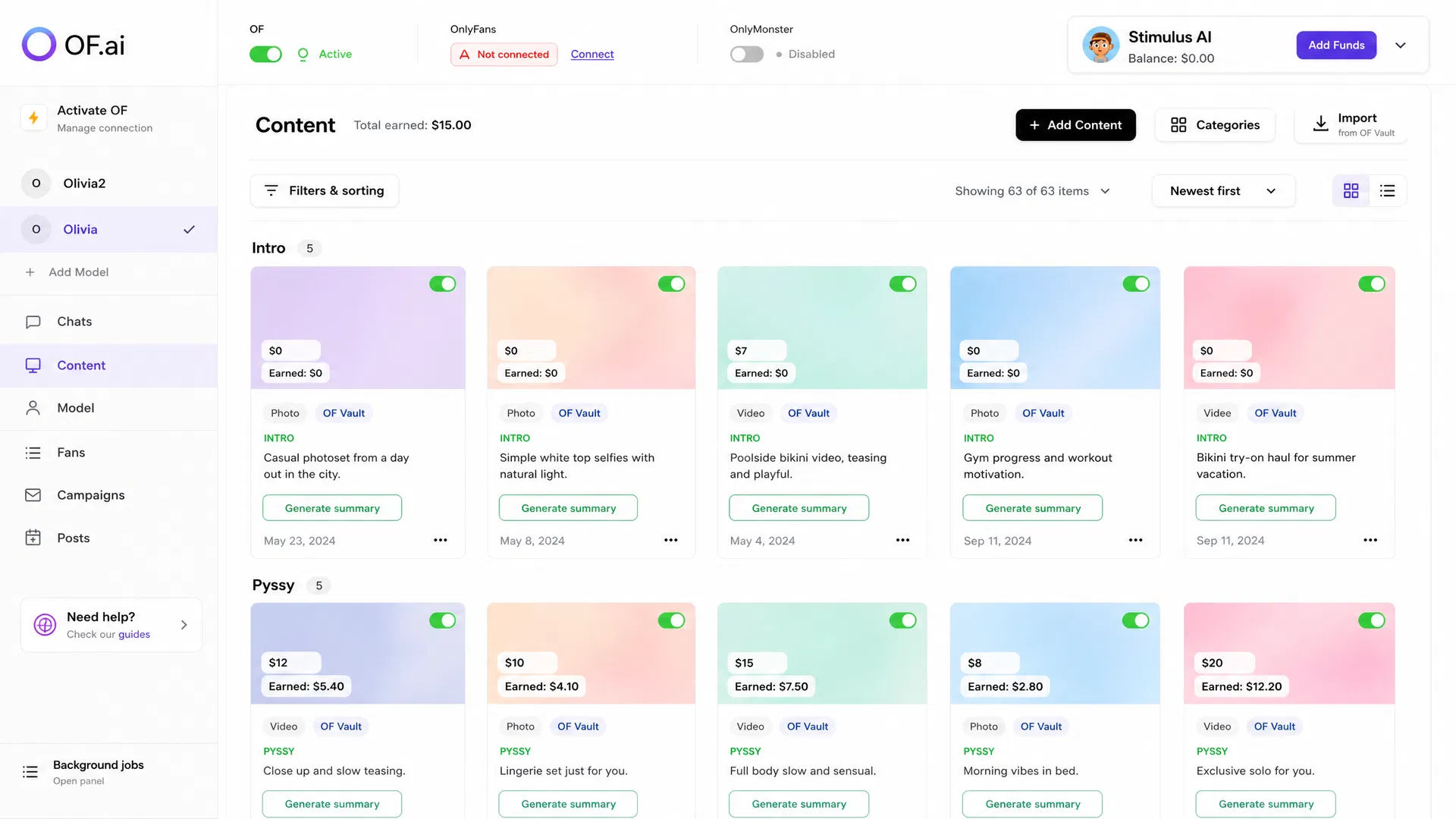
- Define the exact conversation stages, content access, offer authority, and escalation rules before you source anyone.
- Compare pay or vendor fees together with recruiting, onboarding, QA, manager time, software, review, and exception handling.
- Use the same scenario test and quality definitions for a human chatter, an agency, and an AI-assisted workflow.
- Pilot one creator first so you can compare corrections, handoffs, review minutes, coverage, and trusted commercial outcomes.
Define the Job Before You Choose the Worker
A vague instruction to 'manage the inbox' makes hiring and software evaluation equally hard. Break the role into stages: new-subscriber welcomes, routine questions, ongoing relationship conversations, approved offers, re-engagement, custom requests, sensitive topics, disputes, and escalation. Then decide which stages a chatter may own and which must stay with the creator or a senior operator.
Write the operating rules before the interview or demo. The same document can become a candidate scorecard, an agency brief, or the configuration for an AI-assisted workflow, which makes the comparison much more useful than judging each option with a different standard.
- Conversation stages the role may handle
- Creator tone, boundaries, prohibited topics, and examples
- Approved content and whether the role may select or only suggest it
- Configured prices, offer authority, and approval thresholds
- Coverage expectations and handoff ownership
- Escalation triggers for sensitive, unusual, or high-judgement conversations
Compare Four Operating Models
| Operating model | What you are buying | What still needs management |
|---|---|---|
| Direct human chatter | A person dedicated to some or all of the conversation workload. | Recruiting, onboarding, schedule coverage, coaching, QA, access, and backup when the person is unavailable. |
| Chatter agency | A managed staffing service with its own recruiting and operating process. | Vendor oversight, account access, creator voice, escalation, QA definitions, handoffs, and contract economics. |
| AI-assisted chat | Software that can handle configured repetitive stages while a person remains responsible for review and exceptions. | Setup, approved inputs, review policy, corrections, human takeover, and monitoring the stages you automate. |
| Hybrid | People retain judgement-heavy conversations while software handles bounded repetitive stages or prepares context. | Routing rules, ownership, review standards, escalation, and making sure work is actually removed instead of duplicated. |
Build the Full Cost Sheet, Not Just the Pay Rate
A salary, hourly rate, revenue share, or software subscription is only one line of the decision. The operating model also creates management work. Count recruiting or vendor selection, onboarding, QA, team-lead time, coverage gaps, tools, review, corrections, exception handling, and offboarding or access changes.
Do not force uncertain items into a fake dollar estimate. Some risks are better tracked as workload or incidents. The purpose of the cost sheet is to make hidden work visible and comparable with the same definitions for every option.
| Cost / workload input | Human or agency | AI-assisted or hybrid |
|---|---|---|
| Core fee | Compensation, vendor fee, or revenue share from your actual quote. | Current software, infrastructure, and implementation cost. |
| Onboarding | Recruiting, screening, training, creator voice, content, and rules. | Configuration, creator rules, approved content, offer inputs, and escalation. |
| Ongoing QA | Conversation review, coaching, manager checks, and handoff fixes. | Review minutes, corrections, exception handling, and configuration maintenance. |
| Coverage | Scheduling, backup, shift overlap, and unavailable periods. | System coverage plus the people required for review, takeover, and exceptions. |
| Access / offboarding | Permissions, credential handling, asset access, and removal when staff changes. | Integration permissions, team roles, data access, and revocation when workflows change. |
Use the Same Scenario Test for People and Software
A portfolio, sales demo, or polished sample is not the same as operating performance. Give every candidate operating model a representative set of fictionalized scenarios and score it against the same creator rules. Include easy messages and the cases where judgement matters, because the handoff behavior is part of the product or staffing decision.
For a person, the test shows writing and judgement. For software, it shows what context the system uses, whether it invents missing information, how approved content and configured offers are handled, and how quickly a human can take over when the workflow should stop.
- Routine question with enough approved context to answer
- Fan asks for something outside the creator boundary
- Approved content exists but the relevant price or eligibility is missing
- Conversation moves from routine follow-up into a sensitive or custom request
- Fan history is incomplete or conflicts with the current message
- Operator needs to take over and continue without losing the thread context
Access and Content Control Belong in the Hiring Decision
Anyone or anything that works inside a creator inbox may touch sensitive account context, fan conversations, approved media, and pricing information. Decide the minimum access required for the role, separate creator accounts where possible, and make ownership of downloads, exports, credentials, and offboarding explicit.
For software, inspect integration permissions, team roles, auditability, content sources, and human takeover. For people and agencies, inspect credential practices, device and file access, model separation, and how access is removed when somebody leaves the workflow. Security claims are not a substitute for the operating controls you can actually verify.
Human Judgement and Automation Solve Different Parts of the Inbox
| Decision area | Human strength | AI-assisted strength | What to verify |
|---|---|---|---|
| Unusual or sensitive conversation | Can apply judgement and ask clarifying questions. | Can route the case when the stop condition is clear. | Does escalation happen before the workflow guesses? |
| Repeatable stage | Can follow a script but still requires operator time. | Can apply configured rules repeatedly when the inputs are available. | How often does review or correction erase the time saved? |
| Creator voice | Can learn through coaching and examples. | Can use configured persona, boundaries, and approved examples. | Review ordinary conversations, not only showcase examples. |
| Fan context | Can interpret history but may need to search across tools. | Can surface available context beside the thread. | Is missing context shown as missing instead of inferred? |
| Approved offers and content | Can make judgement calls within authority. | Can use explicit content metadata and configured offer inputs. | Can either option act outside the authority you defined? |
Run a One-Model Decision Pilot
Before changing the staffing model across the business, choose one representative creator and record the current workflow. Use the same conversation stages and quality definitions for the candidate chatter, agency, AI-assisted setup, or hybrid workflow you are testing. Keep enough human review to identify failure modes rather than judging only the best examples.
The decision should be based on total operating responsibility. A cheaper visible line item is not better if manager work, corrections, access complexity, or unresolved handoffs rise somewhere else. Expand only after the new model carries the work you expected it to carry.
| Pilot signal | Baseline question | Decision question |
|---|---|---|
| Coverage | Which eligible conversations get handled today? | Did the tested workflow change coverage without weakening review? |
| Corrections | How often does the current team rewrite or repair messages? | Which errors appeared and did they repeat? |
| Handoffs | Where does ownership move between people or tools? | Did context survive the handoff and was ownership clear? |
| Review minutes | How much manager or creator time is spent checking the workflow? | Did total review work fall, rise, or simply move? |
| Access workload | How many people and systems need sensitive access? | Did the new model simplify or complicate permissions and offboarding? |
| Commercial outcomes | Which offer, purchase, or retention measures do you already trust? | Did the tested workload stay within your business standard using the same definitions? |
FAQ
Where can I hire an OnlyFans chatter?
Common sourcing channels include referrals, specialized agencies, freelance marketplaces, and creator communities. Treat the source as a lead channel, not proof of quality; screen the actual work, judgement, access practices, and references where appropriate.
What should I test before hiring an OnlyFans chatter?
Use realistic but fictionalized scenarios that cover routine questions, creator boundaries, approved content, configured offers, missing context, sensitive situations, and escalation. Score the same scenarios with the same rubric for every candidate or operating model.
How much does an OnlyFans chatter cost?
Use the actual compensation, vendor quote, or contract you receive, then add recruiting, onboarding, QA, manager time, coverage, tools, access administration, and backup. The useful comparison is total operating cost, not a universal hourly benchmark.
Should I hire a chatter, use an agency, or use AI-assisted chat?
Choose based on the conversation mix, quality standard, access model, supervision capacity, and total workload. Human judgement is valuable for nuanced cases; automation can handle bounded repetitive stages; a hybrid workflow can combine the two. Compare them with one controlled pilot rather than assuming one option is universally better.
Can AI-assisted chat replace a human chatter?
Do not assume complete replacement. Some repeatable stages may be candidates for automation, while sensitive, unusual, custom, or ambiguous conversations may still need a person. Measure corrections, review, escalation, and human takeover before changing staffing.
What access should a chatter have?
Give only the access required for the role, separate creator accounts and permissions where possible, document content and pricing authority, and define how credentials, files, and access are removed when the relationship ends.
How should an agency compare a new chatter with software?
Use the same representative creator, workload, scenario test, quality definitions, and measurement period. Compare total fees, manager work, corrections, handoffs, review minutes, access complexity, and the commercial measures you already trust.
Next step
Connect One Model and Compare the Operating Model
Connect one model, keep human review on, and test this workflow against your own baseline.